
Introduction
Brake clearance adjustment arm is an important part of bus braking system that ensures the proper functioning of the brakes. It is used to adjust the clearance between the brake shoe and the brake drum to maintain the optimum performance of the braking system. The brake clearance adjustment arm is a small but critical component of the bus braking system that requires proper maintenance and adjustment to ensure optimum braking performance.
What is a Brake Clearance Adjustment Arm?
A brake clearance adjustment arm is a component of the braking system that is responsible for adjusting the clearance between the brake shoe and the brake drum. The clearance between the brake shoe and the brake drum is important to ensure proper brake performance. If the clearance is too tight, the brake shoe can drag on the brake drum, leading to premature wear and overheating of the brake components. On the other hand, if the clearance is too loose, the brake shoe will not make proper contact with the brake drum, leading to reduced brake performance.
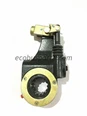
The brake clearance adjustment arm is typically a short arm or lever that is connected to the brake shoe using a pin or bolt. The arm is adjusted to set the proper clearance between the brake shoe and the drum. The adjustment can be made by rotating the arm using a special tool or a wrench.
Importance of Brake Clearance Adjustment Arm
The brake clearance adjustment arm is an essential component of the braking system. Proper brake clearance adjustment ensures the optimum performance of the braking system. The brake clearance adjustment arm ensures that the brake shoe makes proper contact with the brake drum, resulting in efficient braking.
If the brake clearance adjustment arm is not adjusted correctly, several problems can occur. The most common problem is brake shoe wear. If the clearance is too tight, the brake shoe can drag on the drum, causing premature wear. Additionally, if the clearance is too loose, the brake shoe may not make proper contact with the brake drum, resulting in reduced brake performance.
Other problems that can occur due to improper adjustment of the brake clearance adjustment arm include overheating of the brake components, brake fade, and reduced braking ability. Therefore, it is essential to periodically check and adjust the brake clearance adjustment arm to ensure the optimum performance of the braking system.
Types of Brake Clearance Adjustment Arm
There are different types of brake clearance adjustment arms. The most common types are manual and automatic.
Manual Brake Clearance Adjustment Arm
The manual brake clearance adjustment arm is the most common type of brake clearance adjustment arm found in buses. The manual brake clearance adjustment arm is adjusted manually using a special tool or a wrench. The adjustment is typically made by rotating the arm in a clockwise or counterclockwise direction to set the proper clearance. The manual brake clearance adjustment arm requires periodic adjustment to maintain the proper clearance between the brake shoe and the brake drum.
Automatic Brake Clearance Adjustment Arm
The automatic brake clearance adjustment arm is a newer type of brake clearance adjustment arm that is found in modern buses. The automatic brake clearance adjustment arm uses a mechanism that automatically adjusts the clearance between the brake shoe and the brake drum. The automatic brake clearance adjustment arm operates based on the movement of the brake shoe. As the brake shoe wears, the arm automatically adjusts to maintain the correct clearance between the brake shoe and the drum. The automatic brake clearance adjustment arm requires less maintenance than the manual brake clearance adjustment arm.
How to Adjust the Brake Clearance Adjustment Arm of a Bus?
The brake clearance adjustment arm of a bus requires periodic adjustment to maintain the proper clearance between the brake shoe and the drum. The adjustment process is straightforward and can be done by following some basic steps.
Step 1 – Park the Bus
The first step is to park the bus on level ground and turn off the engine.
Step 2 – Release the Brake
Release the brake pedal and ensure that there is no pressure on the brake system.
Step 3 – Locate the Brake Clearance Adjustment Arm
Locate the brake clearance adjustment arm. The arm is usually located on the backside of the brake assembly. In most cases, you will find it near the bottom of the brake shoe.
Step 4 – Adjust the Arm
Using a special tool or a wrench, rotate the brake clearance adjustment arm in a clockwise or counterclockwise direction to adjust the clearance between the brake shoe and the brake drum. Turn the arm until the correct clearance is achieved.
Step 5 – Repeat on All Wheels
Repeat the adjustment process on all wheels. Ensure that the clearance between the brake shoe and the drum is the same for all wheels.
Step 6 – Check the Brake Performance
After adjusting the brake clearance adjustment arm, test the brake system to ensure proper brake performance. Press the brake pedal and ensure that the bus comes to a stop without any noise or vibration.
Conclusion
In conclusion, the brake clearance adjustment arm is an important component of the braking system that requires periodic adjustment to ensure optimum brake performance. Improper adjustment of the brake clearance adjustment arm can lead to several problems, including premature wear of the brake components, brake fade, and reduced braking performance. Therefore, it is essential to periodically check and adjust the brake clearance adjustment arm to maintain the proper clearance between the brake shoe and the drum. By following the steps outlined above, you can easily adjust the brake clearance adjustment arm of a bus to ensure proper brake performance.